Food Poisoning in Vietnam: How to Avoid It and What to Do If It Happens
Staying Healthy While Enjoying Vietnam’s Delicious Cuisine
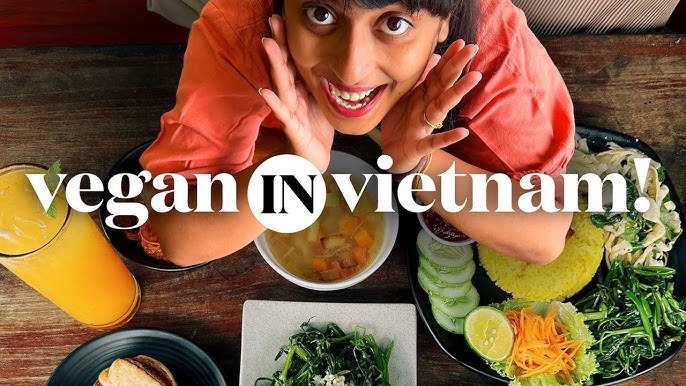
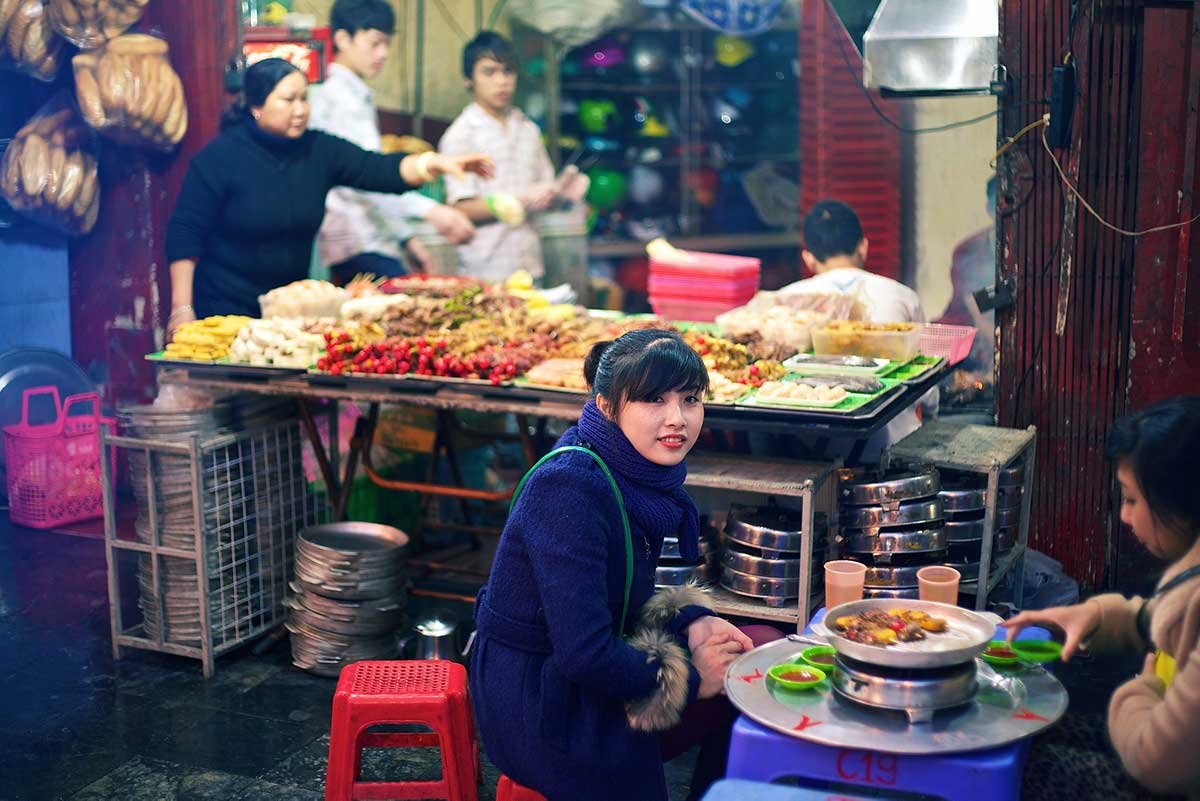
Vietnam is a food lover’s paradise — from the smoky aroma of street-side phở to the sizzling sound of bánh xèo. While most travelers enjoy Vietnamese food without issue, a few may experience food poisoning or stomach discomfort due to unfamiliar bacteria or hygiene differences. Here’s how to stay safe, enjoy authentic food, and handle it properly if you ever get sick.
How to Avoid Food Poisoning in Vietnam
- Choose busy, popular places – Locals know best! Restaurants or stalls with a steady crowd usually serve fresh food.
- Eat freshly cooked dishes – Hot, steaming food is usually safe. Avoid dishes that sit out too long.
- Be careful with raw food – Eat raw vegetables only in reputable restaurants.
- Drink bottled or filtered water – Avoid ice unless you’re sure it’s from purified water.
- Be cautious with seafood and buffets – Always check for freshness and cleanliness.
- Ask for local recommendations – Ask your hotel reception, local friends, guides, or travel experts like Chapi Tours for safe and tasty options.
- Trust your instincts – If it smells or looks off, skip it!
What’s Safe and Delicious to Eat in Vietnam
- Phở (noodle soup)
- Bánh mì (Vietnamese sandwich)
- Bún chả or Bún bò Huế
- Cơm tấm (grilled pork and rice)
- Fried rice or stir-fried noodles
- Fruits with thick skins like bananas, mangoes, or oranges
What to Do If You Get Food Poisoning
- Stay hydrated – Drink clean water or electrolyte drinks like Oresol.
- Rest and eat light – Stick to rice, bananas, or toast.
- Use over-the-counter medicine – Smecta, Imodium, or charcoal tablets help relieve symptoms.
- Visit a clinic if symptoms persist – English-speaking hospitals include Family Medical Practice, Raffles, and Vinmec.
- Keep your travel insurance handy – Always have policy details saved on your phone.
Before You Travel: Prepare Your Health Kit
Bring a small medicine kit before traveling to Vietnam, including:
- Basic stomach medicine (Imodium, activated charcoal, or rehydration salts)
- Pain relief tablets (Panadol, ibuprofen)
- Probiotics to help digestion
- Hand sanitizer and wet wipes
- Antihistamines for food allergies
Travel Tips to Stay Healthy on the Go
- Wash hands or use sanitizer before eating.
- Carry anti-diarrheal and rehydration tablets.
- Avoid eating before long road trips or rides.
- Take probiotics to help your digestion adjust.
- Book local food tours for safe and authentic experiences.
Final Advice from Chapi Tours
Getting sick while traveling can be unpleasant, but with a little care and smart choices, you can enjoy Vietnam’s incredible cuisine worry-free. Always remember: fresh, hot, and popular are your golden rules.
If you ever feel unsure where to eat, our local guides at Chapi Tours can recommend trusted eateries and safe street food adventures — so you can taste Vietnam with confidence!