Malaria situation in Vietnam (update 2024 – 2025)
Malaria is a mosquito-borne parasitic disease that can be serious if left untreated. While Vietnam has made tremendous progress in reducing malaria, travelers visiting certain regions still need to take precautions. This guide provides up-to-date information on malaria in Vietnam, including risk areas, symptoms, prevention, and traveler recommendations.
1. What is Malaria and Its Cause
Malaria is caused by Plasmodium parasites transmitted through the bite of infected female Anopheles mosquitoes. In Vietnam, the main malaria-causing species are:
- Plasmodium falciparum: can cause severe and potentially fatal malaria.
- Plasmodium vivax: generally less severe but can relapse weeks to months later.
Without prompt diagnosis and treatment, malaria can be life-threatening.
2. Malaria Situation in Vietnam (2024–2025)
Vietnam has made significant progress in malaria control over the last decade:
- In 2014, there were over 15,000 cases, but by 2024, this dropped to 353 cases, with no malaria-related deaths reported.
- Most recent cases are now imported or localized in high-risk provinces, with the majority occurring in forest, hilly, and rural areas.
- Peak transmission season typically occurs from December to February in endemic areas, although some cases can occur outside this period.
2.1 High-Risk Areas
Malaria in Vietnam is largely confined to remote, forested, and mountainous regions, including:
- Central Highlands: Kon Tum, Gia Lai, Đắk Lắk, Đắk Nông, Lâm Đồng
- Southeastern provinces: Bình Phước
- Some central coastal districts: Khánh Hòa
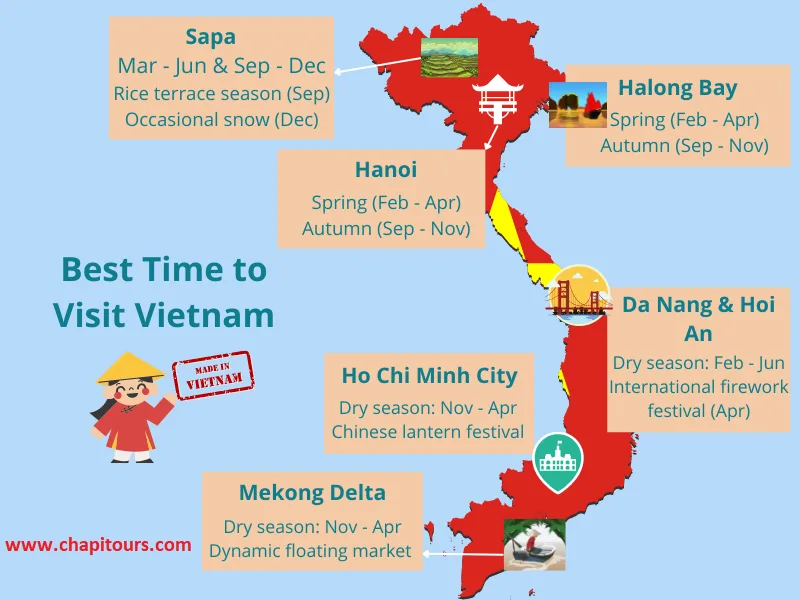
Urban areas like Hanoi, Ho Chi Minh City, Da Nang, and Nha Trang have extremely low to no malaria risk.
Vietnam has eliminated malaria in 46 provinces/cities, and the national goal is malaria elimination by 2030.
3. Symptoms of Malaria
Symptoms usually appear 10–15 days after a mosquito bite and can include:
- High fever, often with chills and sweats
- Headache
- Muscle and joint aches
- Nausea, vomiting, or fatigue
- In severe cases (P. falciparum): anemia, organ dysfunction, or shock
Early diagnosis and treatment are critical to prevent complications.
4. What to Do if You Suspect Malaria
- Seek medical attention immediately if you develop symptoms during or after travel to high-risk areas.
- Diagnostic tests include blood smears or rapid diagnostic tests.
- Treatment usually involves artemisinin-based combination therapy (ACT), depending on the species.
- Rest, stay hydrated, and follow the full course of medication as prescribed.
5. Malaria Prevention for Travelers
Travelers visiting Vietnam should take these steps:
5.1 Consult a Travel Health Clinic
- Discuss your itinerary with a healthcare provider at least 4–6 weeks before travel.
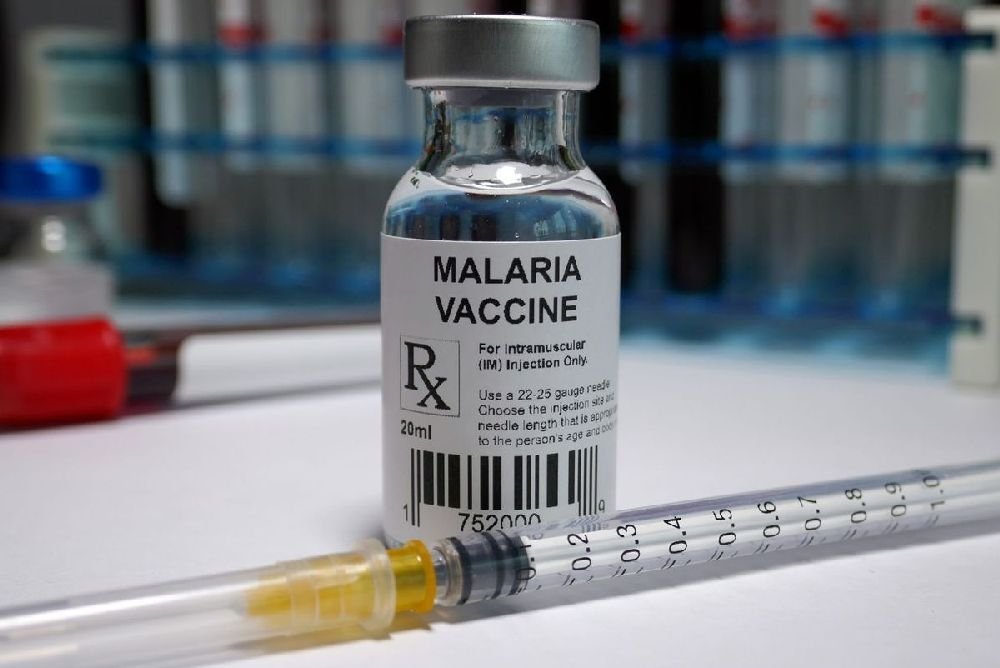
- Ask about malaria prophylaxis, such as atovaquone-proguanil, doxycycline, mefloquine, or tafenoquine, depending on the area and resistance patterns.
5.2 Use Mosquito Protection
- Apply insect repellents containing DEET, picaridin, or IR3535.
- Sleep under insecticide-treated bed nets, especially in rural accommodations.
- Wear long-sleeved shirts and pants, particularly during night hours when Anopheles mosquitoes are active.
5.3 Medical Supplies & Documentation
- Bring first aid and fever management supplies.
- Carry a travel health card noting prophylaxis medications.
- Know the nearest medical facility in the areas you are visiting.
5.4 Health Monitoring During and After Travel
- Watch for fever, chills, headache, or fatigue during and up to 1 month after travel.
- Inform healthcare providers about your travel history if symptoms develop.
5.5 Practical Travel Tips
- Choose air-conditioned or well-screened accommodations.
- Avoid outdoor exposure at night in high-risk areas without protective clothing or repellents.
- For trekking or forest trips, have emergency contacts and a plan for rapid access to medical care.
6. Progress & Outlook
- Vietnam has reduced malaria cases drastically, and elimination in most provinces has been achieved.
- Recent strategies include mass drug administration in high-risk villages, community awareness campaigns, and strengthening local health systems for early detection and treatment.
- Despite progress, travelers to forested, hilly, or border areas should remain vigilant.
- Drug resistance monitoring continues to ensure effective treatment.
7. Conclusion
Malaria risk in Vietnam is limited but real for travelers visiting high-risk rural and forested areas. Key points for travelers:
- Assess your itinerary to determine malaria risk.
- Consult a travel clinic for prophylaxis advice.
- Use protective measures: repellent, bed nets, clothing.
- Monitor health during and after travel, and seek prompt medical care if symptoms appear.
With proper preparation, travelers can safely enjoy Vietnam’s landscapes and culture while minimizing the risk of malaria. Vietnam’s continued efforts toward elimination make it one of the safer countries in Southeast Asia for malaria-aware travelers.